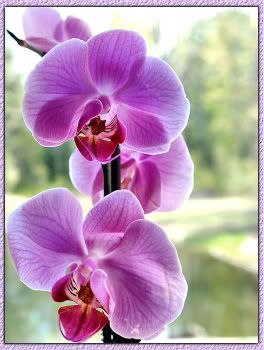
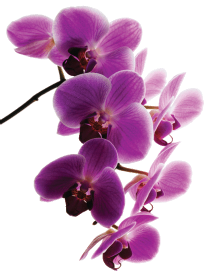
 The orchid flower comes from a very diverse and the largest flowering family on the planet. It is also one of the oldest, 100 million years or soorchids have been growing on earth. This reason plus they are very versatile has enabled many species to multiple and multiple. It is believed that there are more the 35,000 species of orchid. There are also many more hybrid varieties of this wonderful flower family.
Although orchids have been around for a while they are still very popular. In fact, in recent years the have become more and more popular. They were first cultivated a few centuries ago although there beauty has been appreciated much longer than that. The Chinese and Japanese cultures were writing aboutorchids a few thousand years ago. Up the 20th century orchid cultivation remained in the spheres of the wealthy. In England, the aristocracy were keen orchid growers ever since the first global traders brought them back from the far corners of the world.
Everybody knows that vanilla comes from a plant. You may be surprised to know that it is actually an orchid where vanilla is derived, the planifolia to give it its correct name. Vanilla is solely grown for its commercial value as opposed to most otherorchids which are very beautiful plants and grown for their beauty. Many farmers around the world grow the orchid crop just for the vanilla seeds.
There are many orchid fanatics around due to the beauty of the orchid flower. It is not only humans that appreciate orchids, insects are attracted to orchids which in turn assists in reproduction.
There are flying insects such as bees which attracted into the pollinia of one particular orchid. The Bee Orchid looks very much like a female bee. The male be believes it is approaching a female when it is in fact assisting in the pollination process.
Here are some other examples of how orchids have evolved to reproduce:
Orchids with long stems that dance in the wind which look like butterflies.
Practical orchids which have landing platforms for insects to rest.
Orchids with slippery surfaces which insects slip on and fall into the flower ensuring nectar is brushed into the pollina.
The Angreacum Sesquipidales emits a scent to attract moths. In fact, Darwin wrote about this particular orchid. He predicted that a moth would be the insect to pollinate this orchid because the white flowered orchid emitted its scent at night.
Nigel owns OrchidCareExpert, a website which contains lots of useful information if you wish to know more about orchid care orchid care.
by: Nigel Howell